THE IMPERIAL LEDGER: A Day of Reckoning in the Markets of Vienna and Pest
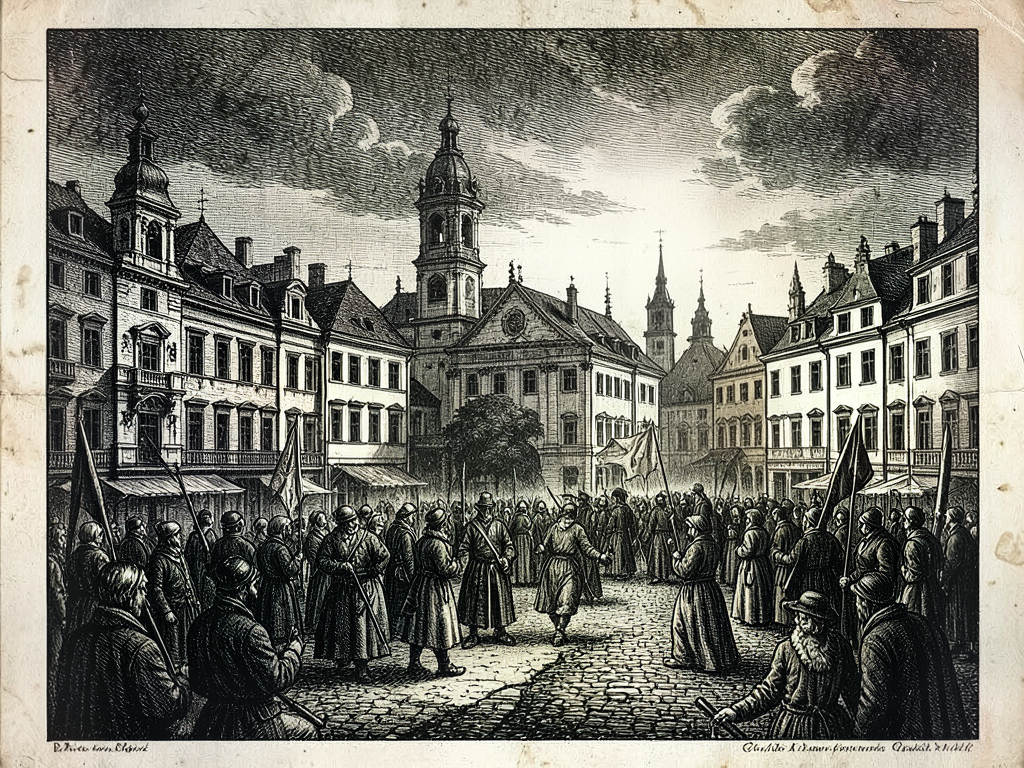
From the fog-shrouded spires of Vienna to the bustling quays of Pest, the official gazettes and trade bulletins of this twelfth day of September, Anno Domini 1841, present a tableau of restless commerce. The chancery edicts from the Hofburg, though couched in the customary impenetrable Latin, betray a palpable anxiety regarding the fluctuating price of copper. The imperial foundries, it is whispered, have been compelled to renegotiate contracts with the Styrian mines, as the ore yields grow increasingly erratic and the cost of charcoal from the alpine forests continues its inexorable ascent. This correspondent notes that the Vienna Bourse closed with a subdued murmur, the brokers' faces ashen beneath the gas-lamps, their ledgers heavy with unfulfilled orders.
In Pest, the situation is no less precarious. The grain factors along the Danube report a harvest of uneven quality, the early rains having blighted the wheat in the Banat while the maize in the Bácska flourishes. The trade bulletins from the Hungarian interior speak of a surplus of timber, yet the transport costs along the Tisza remain prohibitive, strangling the profit margins of the noble estates. It is a curious paradox: abundance in the forest, scarcity in the purse. The silver thalers, those cold, reassuring discs, have been changing hands with a feverish rapidity, a sure sign that confidence in paper instruments wanes. I confess, in the privacy of this journal, that I have found myself polishing a dozen such coins until my fingers ache, a futile ritual against the spectre of insolvency that haunts these times.
The official chancery edicts further decree a temporary suspension of certain tolls on the Vienna-Trieste railway, a desperate measure to stimulate the movement of goods and alleviate the congestion at the customs houses. Yet the provincial gazettes from Transylvania, arriving by the last post, paint a grimmer picture: the copper mines of the Apuseni Mountains are said to be flooded, and the miners, those subterranean gnomes of the empire, have not been paid in weeks. The price of grain in Kronstadt has risen by a fifth, and the Saxon merchants there are hoarding their stocks, anticipating a harsh winter. The imperial economy, like a great, intricate clockwork, is showing signs of strain; a gear slips here, a spring weakens there.
Thus, across the Crownlands, the day's ledgers are closed with a sense of foreboding. The Empire is a vast and hungry organism, and its appetite for copper, timber, and silver is insatiable. The gazettes, those paper sentinels of order, record the fluctuations with clinical detachment, yet between the lines one discerns the quiet panic of a merchant class that knows not what tomorrow's exchange may bring. In the Exchange Arcade, the lamps are lit, and the polishing of silver continues, a solitary vigil against the encroaching dark.