From the Imperial Chancery: Decrees, Packets, and Tariffs on the Danube — A Chronicle of Vienna's Commercial Arteries
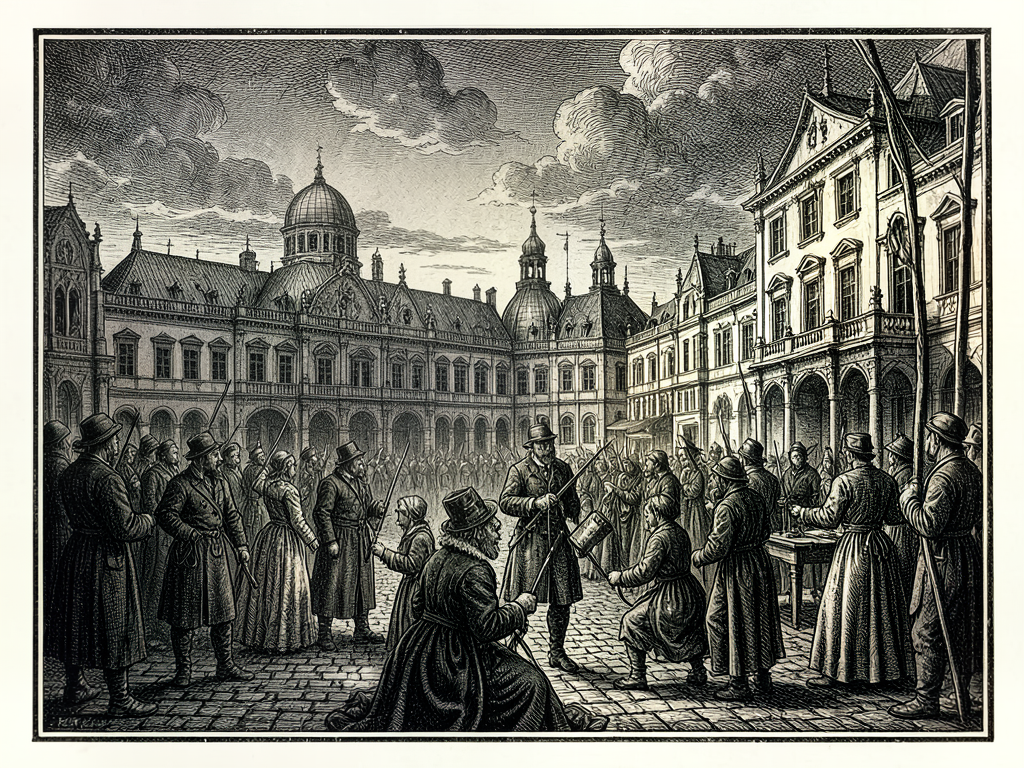
VIENNA, 25th September 1841. — The Imperial Court and Danube Commercial Gazette hath this day issued its accustomed bulletin, wherein the chancery decrees of His Majesty's ministers are set forth with that punctilious gravity which befits the governance of a realm stretching from the Alps to the Carpathians. Of principal note is an ordinance touching the registration of foreign commercial agents in the Crownlands, requiring all such persons to present letters of surety before the provincial governors within thirty days. This measure, we are informed, aims to curb the irregularities that have of late vexed the customs houses at Pest and Pressburg.
From the river, the packet reports are likewise instructive. The steamer Franz I. arrived at Vienna on the 23rd from Linz, bearing a cargo of salt, ironware, and Moravian cloth, with forty-two passengers of divers stations. The Argo, outward bound for Galatz, departed on the 24th with a full manifest, though the water level near Waitzen is reported low, obliging lighter draughts and some delay. Merchants are advised that the autumn freshets are not yet come, and that contracts for grain transport to the Black Sea ought to stipulate tolerances for riverine caprice.
Of tariffs, the Gazette announces a reduction upon raw wool imported from the Principalities, a boon to the cloth manufactories of Brünn and Reichenberg. Conversely, the duty upon refined sugar from the Hereditary Lands is confirmed at the existing rate, despite petitions from certain Bohemian refiners. The chancery further reminds all shippers that the new toll schedule for the Iron Gates passage takes effect at Michaelmas, and that no exceptions shall be granted save by imperial rescript.
These dry particulars, gathered from the official columns, form the true chronicle of our age — the quiet machinery of empire, turning upon decrees and packets, tariffs and tolls. The archivist notes them with care, for in such mundane registers lie the sinews of commerce and the seeds of future histories. Let those who would understand the present consult the gazettes; let those who would preserve the past, preserve them well.