THE IMPERIAL EXCHANGE: A CHRONICLE OF PRICES AND PANICS FROM VIENNA TO THE CARPATHIAN BORDERLANDS
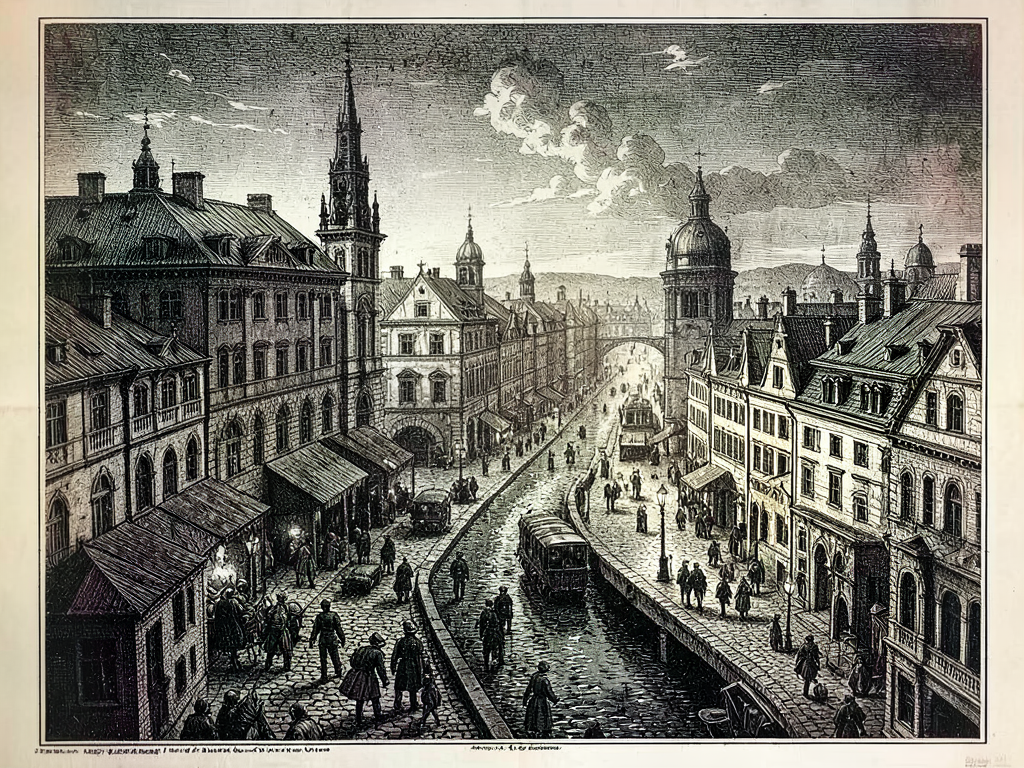
The gazettes of the Austrian Empire, collected this day from the chancery presses of Vienna and the provincial bulletins of Pest and the Crownlands, present a tapestry of commercial anxiety woven with threads of stoic resilience. In the Imperial capital, the official trade bulletin records a further contraction in the discount rate upon silver thalers, the metal having been hoarded by cautious burghers against the rumoured debasement of paper scrip in the Hungarian hinterlands. The coffee-houses of the Graben hum with whispered calculations, and the price of a Vienna measure of wheat has risen two kreuzer since the feast of St. Michael, a movement attributed to the late rains in the Banat and the consequent delay of barges upon the Danube.
From Pest, the commercial sheet reports a brisk demand for copper ingots, the mines of the Lower Carpathians yielding a steady stream that feeds the foundries of the empire. Yet the timber trade tells a grimmer tale: the great rafts upon the Vág and the Maros have been delayed by unseasonable fogs, and the price of seasoned oak for the naval yards at Fiume has advanced by a full florin per cubic fathom. The grain factors of Debrecen, ever watchful, have begun to withhold their stores, anticipating a hard winter and a corresponding ascent in the price of rye and barley.
The chancery edicts promulgated this day from the Hofburg betray the government's unease. A new schedule of tolls upon the road to Siebenbürgen has been published, ostensibly for the repair of bridges, but the wary merchant detects in it a subtle levy upon the transit of silver and salt. Meanwhile, the provincial gazette of Hermannstadt notes the arrival of a caravan from Bucharest, bearing hides and beeswax, and departing with Austrian scythes and glassware. The balance of trade, though slender, remains favourable.
Thus the chronicle of this twenty-sixth day of September reveals an empire poised between the harvest and the frost, its exchanges regulated by the twin deities of fear and necessity. The auditor, having perused these columns by the light of a tallow candle, may take small comfort in the steadiness of copper and the unbroken flow of commerce, even as the silver thalers grow cold in their hiding-places.