The Hague's New Sovereign: William II Ascends the Dutch Throne Amidst Continental Tumult
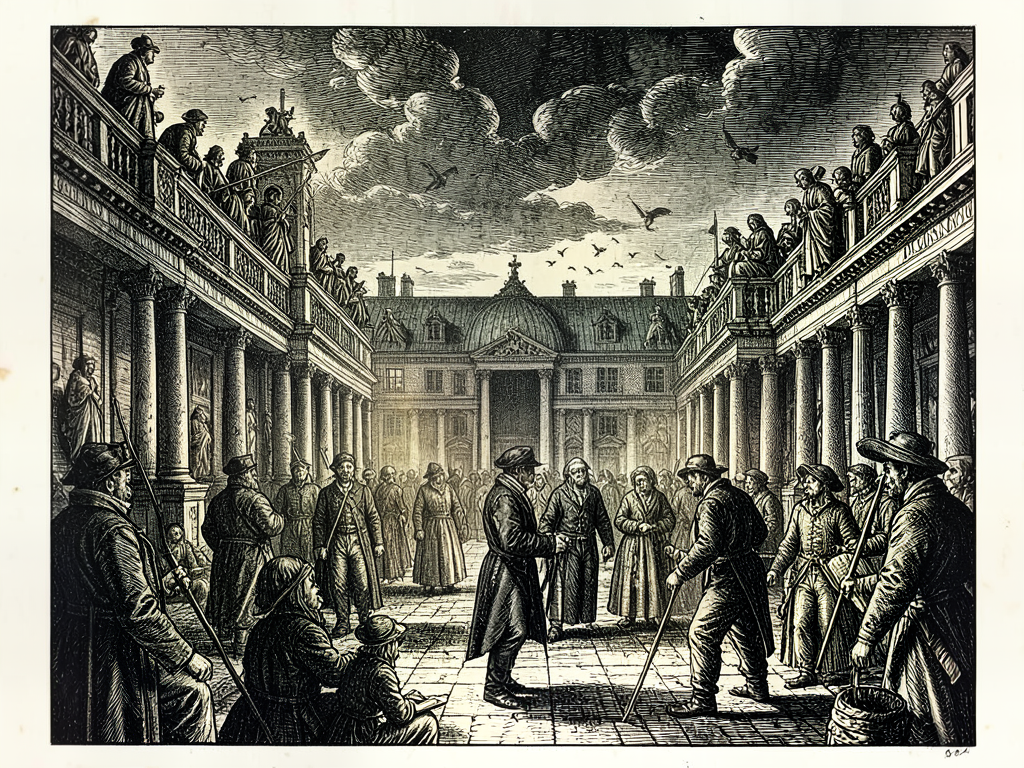
SCARLET PASS CROSSROADS, 7th October 1841 — Tidings have reached this remote waystation, carried by a mud‑spattered courier who rode through three nights of sleet, that William II has assumed the crown of the Netherlands. The previous year, 1840, saw the abdication of his father, William I, a monarch who traded his sceptre for a quiet retirement in Berlin. Now the son, a soldier of Waterloo and a man of known liberal sympathies, sits upon a throne ringed by the grey tides of the North Sea. Travellers from Rotterdam speak of cannon salutes that shook the glass in harbour taverns, and of orange bunting that snapped in a bitter October wind.
Yet for those of us who ply the mountain coach routes, the affairs of distant capitals are but a faint echo against the howling of wolves. The Dutch crown, though far from these Carpathian passes, commands a merchant fleet that threads the Baltic and the Black Sea, and the mail packets from Amsterdam still carry our gazettes to Constantinople. A king of reformist bent may loosen tariffs on grain and timber, a matter of no small consequence to the wagoners who haul Saxon oak through Borgo Pass. But I have seen too many royal proclamations fade like breath on cold iron to place my full faith in any sovereign’s goodwill.
Still, the coronation at The Hague drew envoys from every petty court of Germany and a delegation from the Sublime Porte itself. They say William II wept openly as he swore the oath, and that the crowd, a surging mass of herring‑sellers and diamond‑cutters, roared its approval. Meanwhile, in the shadowed corridors of the Hofburg and the Tuileries, old diplomats sharpen their pens and mutter of Belgian boundaries and colonial ambitions in the East Indies. A new king is a new weather‑vane, and we who dwell in the borderlands know that distant storms send wolves down from the high crags.
I shall continue to report on what I can see with my own eyes: the state of the road, the temper of the coachmen, and the number of lamps burning at each post. As for the doings of kings, I leave that to the correspondents who do not sleep with a pistol beneath their pillow. But I will note this: the Dutch mail coach from Debrecen was three hours late this morning, and the driver swore he heard hoofbeats in the fog that matched no horse he knew. Draw from that what comfort you may.