From the Imperial Chancery: Decrees, Packets, and Tariffs in the Crownlands
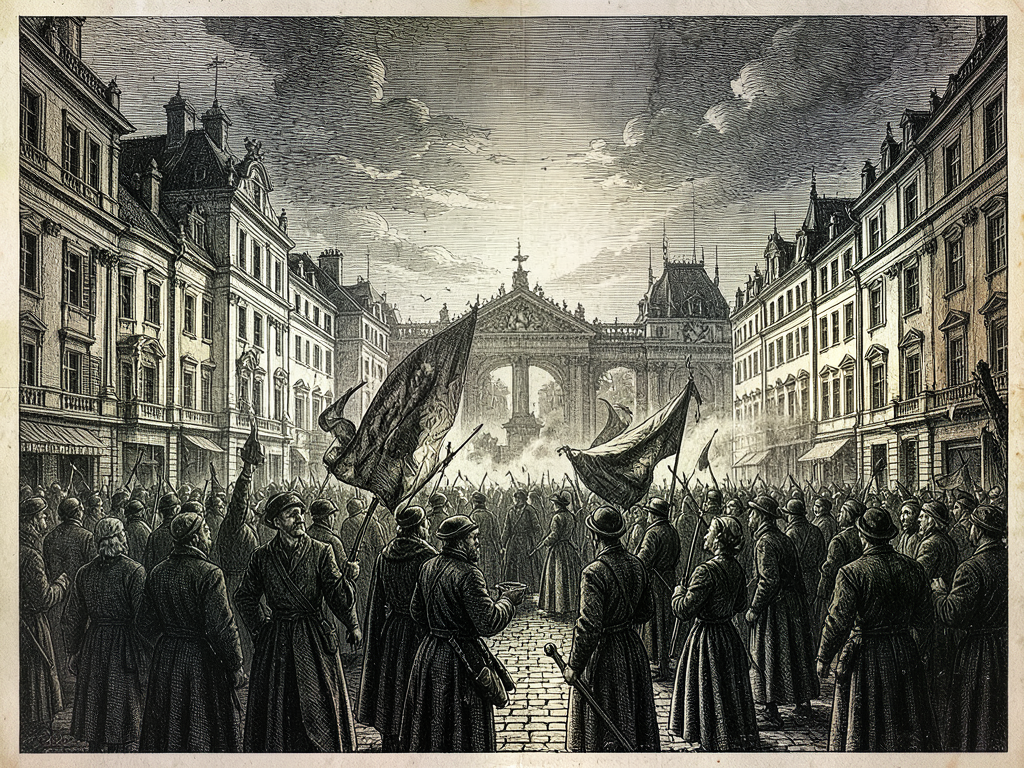
The Wiener Zeitung of the fifteenth instant, reaching our scriptorium but yesterday by the evening packet, affords a window into the commercial and administrative machinery of the Habsburg Crownlands. Its columns, dense with chancery decrees and riverine movements, betray the Empire's unceasing appetite for order and revenue. Of particular note is the revised tariff schedule for salt and timber conveyed along the Danube, a measure designed to swell the imperial coffers whilst soothing the mercantile houses of Pest and Vienna. The decrees, promulgated under the hand of the Hofkanzlei, further regulate the guilds of weavers in Lower Austria, imposing new standards of quality that will, no doubt, provoke murmurs in the back rooms of the Innere Stadt.
Equally instructive are the packet movements, faithfully recorded like the pulse of some great aquatic beast. The steamer Franz I departed Vienna for Linz on the fourteenth, bearing dispatches and a complement of officials; the Maria Anna arrived from Pressburg with cargoes of wool and hides. Such intelligence, though seemingly mundane, forms the sinews of our chronicles, for in the ledger of a river packet one may read the fate of provinces. The gazette further notes the arrival of a courier from the Banat, carrying reports of a poor harvest, a matter that will surely test the granaries of the military frontier.
Yet, amidst these dry notations, a darker undercurrent stirs. The official gazette makes no mention of the whispered discontents among the Illyrian merchants, nor of the clandestine correspondence that passes between certain Boyar houses and the Porte. Such omissions are themselves a species of history, and it is the archivist's burden to piece together the truth from the silences. The imperial decrees, with their seals and flourishes, may command the present, but they cannot entirely erase the past. I shall preserve this gazette among our folios, for even the most bureaucratic notice may one day serve as a key to some forgotten chamber of intrigue.
Let the reader, then, peruse these columns not merely as commercial intelligence, but as a mirror of an Empire forever balancing reform and repression. The Danube carries both grain and cannon; the chancery issues both patents and prohibitions. In the end, it is the chronicler's duty to record it all, before the ink fades and the paper crumbles to dust.