THE IMPERIAL LEDGERS: A Day of Reckoning in the Markets of Vienna and Pest
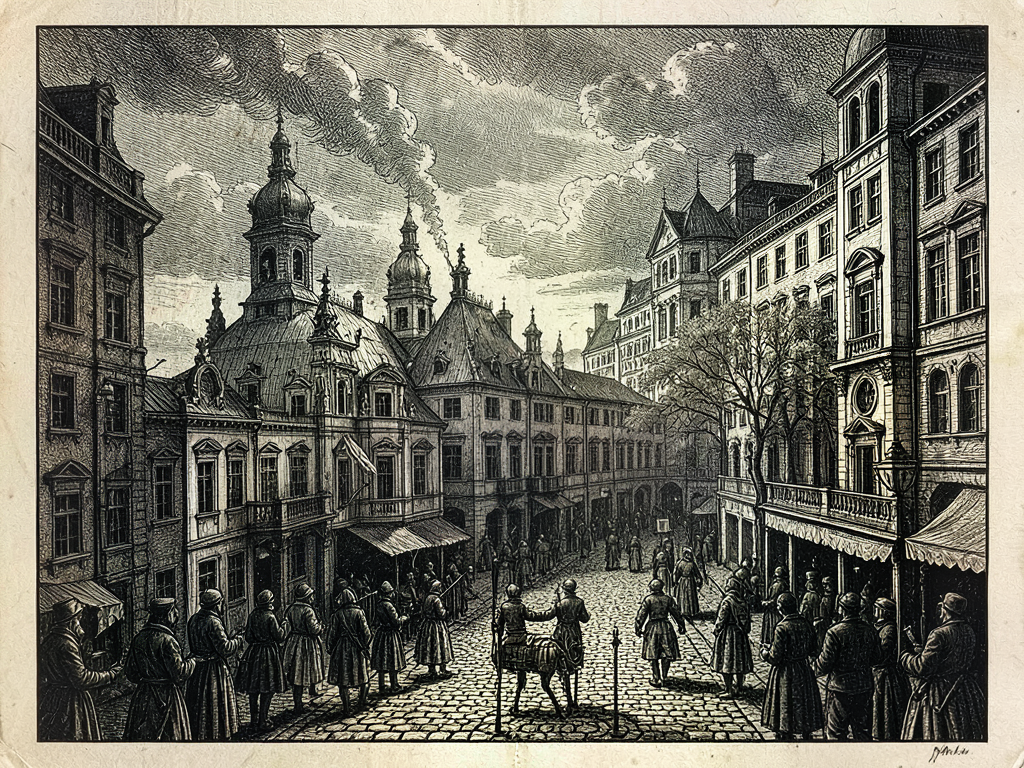
The second day of October, in the Year of Our Lord eighteen hundred and forty-one, dawned chill and overcast over the Imperial capital. Yet within the coffee-houses of the Graben and the counting-rooms of the Upper Ward, the atmosphere was one of febrile anticipation. The consolidated gazettes of the Empire, as catalogued this day, present a singular tapestry of commerce and anxiety. From the official chancery bulletins to the provincial trade sheets, a narrative emerges: the silver thaler, that most stubborn of metallic sentinels, has shown a disquieting softness against the paper notes of the Vienna Stadt-Banco. The fluctuations are minute—a matter of kreutzers—but to the trained eye, they whisper of hoarding in the borderlands and a cautious retreat by the great banking houses.
In Pest, the corn exchanges tell a different tale. The harvest reports from the Banat and the Bácska have proven robust, and the price of wheat has settled into a steady, if uninspired, rhythm. Yet the timber trade along the Danube remains the barometer of true prosperity. Rafts of Carpathian oak, bound for the shipyards of Trieste, have increased in volume, suggesting that the Imperial navy, or perhaps the merchant marine, is quietly expanding its ambitions. The official edicts, dry as dust, nonetheless reveal a tightening of customs regulations along the Serbian frontier, a move designed to curb the illicit flow of silver into the Principality.
For this auditor, the day's true revelation lies in the juxtaposition of these reports. While Vienna frets over the purity of its coinage, the provinces are busy with the honest labour of grain and timber. The copper prices in Siebenbürgen have risen sharply, driven by the demand for roofing and coinage in the mining towns. It is a market of contrasts: the nervous energy of the capital, forever chasing the phantom of credit, set against the solid, muddy reality of the provinces. One might almost conclude that the Empire's true wealth lies not in its vaults, but in its soil and its forests.
As evening falls and the gas-lamps are lit, I shall retire to my chambers. There, with a soft cloth and a stick of chalk, I shall attend to my own small hoard of thalers, polishing each one until it gleams. In their cold, perfect faces, I find a solace that the fluctuating ledgers of the day cannot provide. Let the markets tremble; the silver, at least, remains silent and eternal.