The Ledger of Empire: Vienna and Pest Trade Bulletins Reveal Shifting Fortunes on the Fourth of October, 1841
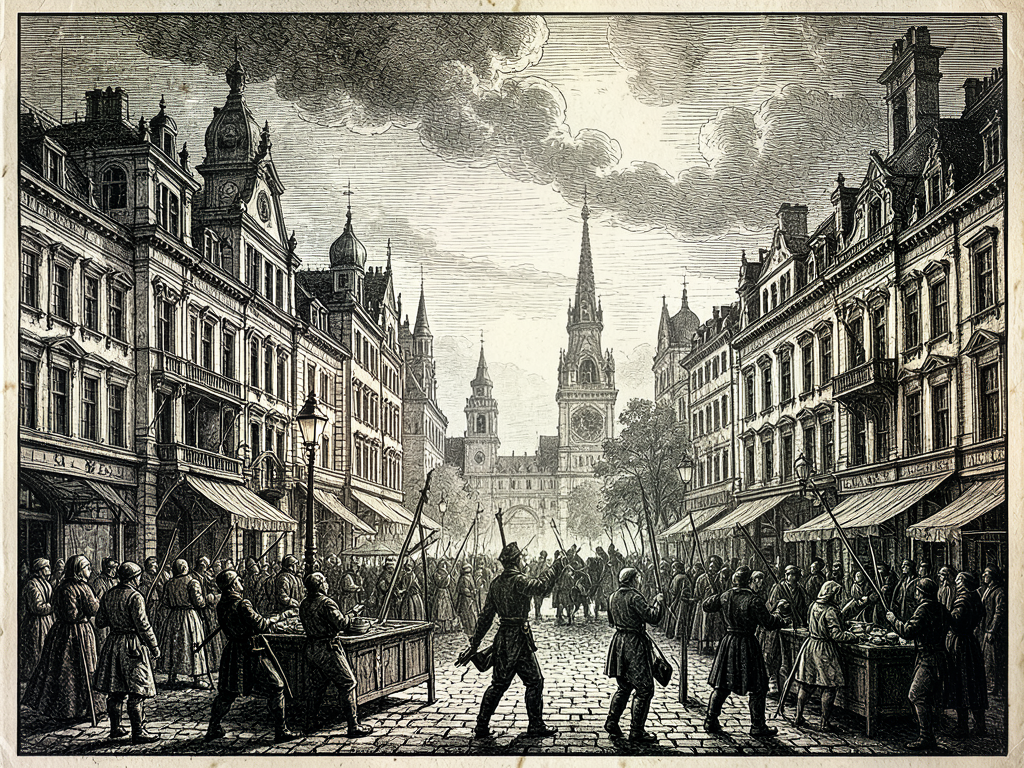
VIENNA, 4th October 1841. — The morning gazettes from the Austrian Crownlands arrived at the Exchange Arcade damp with the river fog, their pages still smelling of the Chancery's iron-gall ink. The official bulletins from Pest and Vienna present a market of peculiar stillness. Silver thalers, those restless discs that govern the sleep of every auditor from the Hofburg to the Carpathian passes, held firm at 2 gulden 48 kreuzer—yet the bid-ask spread has narrowed to a hair's breadth, as though the great banking houses of Vienna are holding their collective breath. I confess, upon reading this, I retired to my private closet and polished three thalers until my reflection stared back, clear and cold, before I could steady my hand to write.
The copper schedules from Upper Hungary tell a different tale. Ore shipments from the Banská Štiavnica district have fallen by near a fifth against the same week last year, owing to early frosts that have frozen the water-wheels and slowed the crushing stamps. The Pest bulletins note a corresponding rise of 3 kreuzer per centner in raw copper, a movement that will press upon the bell-founders and the braziers of the inner city. Timber, too, commands a firmer price along the Danube—rafts from the Styrian forests arriving in diminished number, for the river has run low since the equinox, and the raftsmen speak of sandbars where once they found deep channel.
Grain remains the quiet sovereign of this day's ledger. The Vienna exchange lists wheat at 5 gulden 20 kreuzer per Metzen, unchanged from Thursday, yet the provincial gazettes from Transylvania report that the maize harvest in the Székely lands has been gathered under skies too dry for a full yield. Should the winter be hard, the price of bread in the Upper Ward will not long remain patient. The official chancery edicts, meanwhile, announce no new tariffs, no suspensions of toll—a silence that some read as confidence, and others as the stillness before a storm.
Let the merchant and the miller take note: the fourth of October, 1841, will not be remembered as a day of panic, but as a day of weighing. The scales are held level by invisible hands, and the wise man watches not the price alone, but the spaces between the numbers—where the true fortune of the Empire is written.