The Ledger of Empire: A Chronicle of Commerce and Calamity from the Gazettes of the Eighth of October, 1841
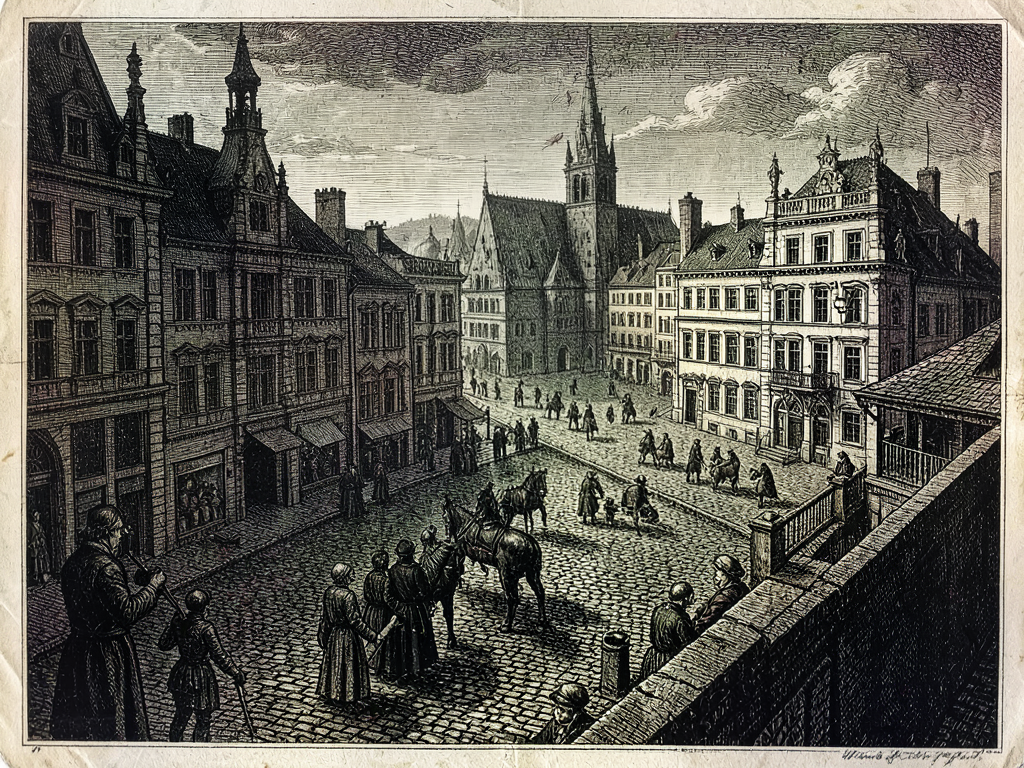
The public gazettes of the eighth day of October in the year of our Lord one thousand eight hundred and forty-one, collected this morning from the imperial capital and the crownlands, present a tableau of commerce both anxious and resolute. In Vienna, the official chancery edicts announce a minute adjustment to the tariff upon imported copper, a measure designed to soothe the restless foundries of Lower Austria. Yet the true pulse of the day is felt not in the marble halls of the Hofburg, but in the cramped counting-houses along the Graben, where brokers whisper of a slight but persistent drain of silver specie toward the eastern frontiers. The Pest trade bulletins, arriving by the evening courier, confirm a buoyant demand for wheat, though the quoted price per metzen has dipped a half-kreuzer from Tuesday last, a fluctuation that has set the grain factors of the Danube quay to much furious calculation.
Of particular note to this auditor is the silence from the Transylvanian mining districts. The official returns for the Saxon towns of Hermannstadt and Kronstadt list no fresh shipments of silver ore for the week, a lacuna that may be merely a tardy post, or may portend a deeper sluggishness in the shafts. The timber trade from the Carpathian slopes, by contrast, proceeds with vigour; rafts of fir and oak are reported to be descending the Maros in good order, their destination the shipyards of Arad and Szeged. Such is the perverse harmony of our age: that the wood which builds the empire should flow freely, while the silver which sustains its credit should hesitate upon the road.
Let it be recorded, therefore, that upon this day the commercial barometer stands at fair but falling. The imperial treasury has issued no new loan, and the discount rate at the National Bank remains fixed at four per centum. Yet in the coffee-houses of Pest, where the Magyar gentry mingle with Jewish factors, the talk is all of the coming winter and the price of salt from the Wieliczka mines. A prudent man will watch the copper and the grain, but a wise man will count his thalers twice before the snows close the passes.